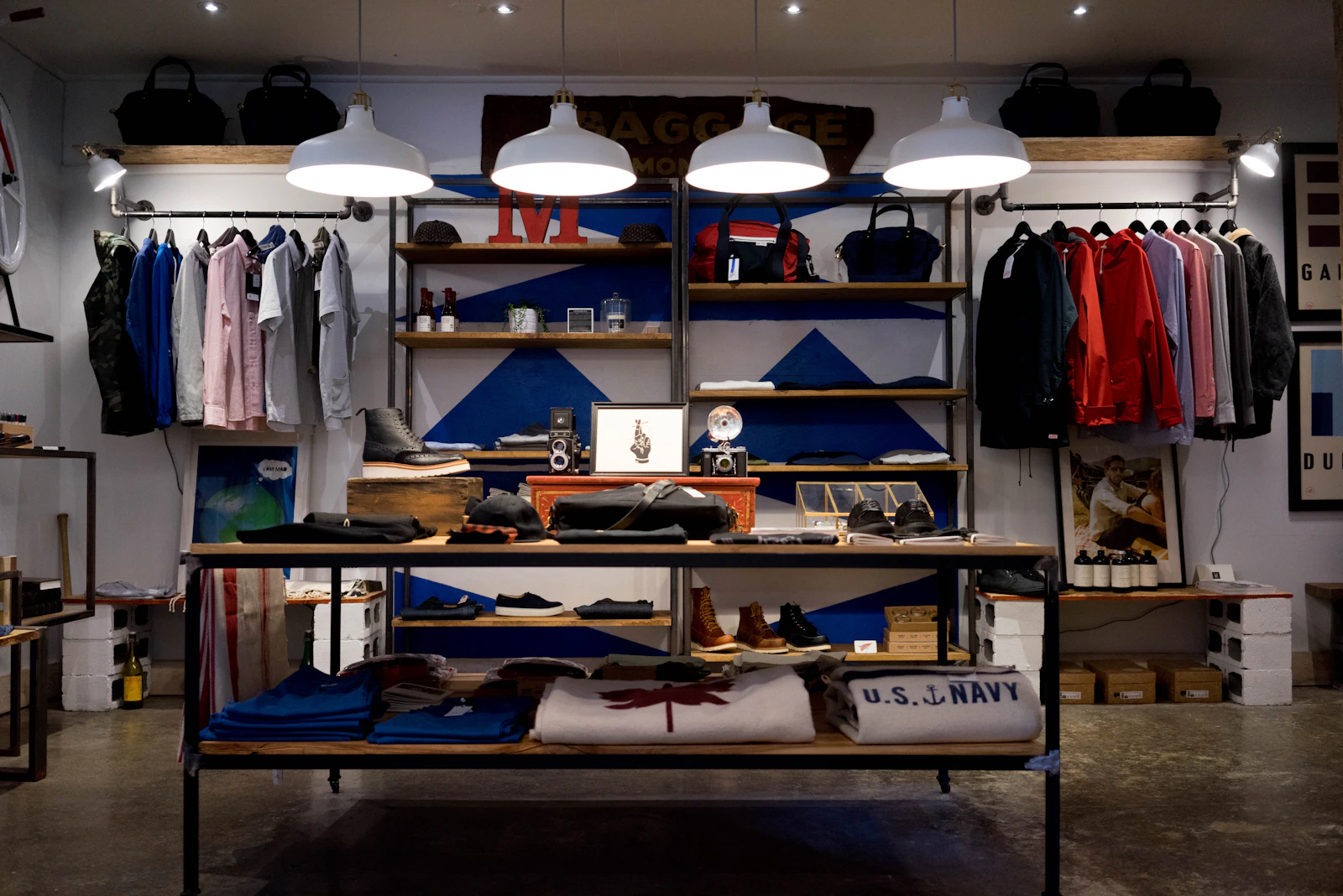
Macy's has, since 2020, closed more than 150 stores. Nordstrom went private in early 2024, in a $6.25 billion deal with Erik and Pete Nordstrom and a Mexican retail conglomerate. Saks Fifth Avenue and Saks OFF 5TH split in 2024, with Saks OFF 5TH going to a separate operator. Bloomingdale's is, by most accounts, the last of the great department stores still expanding. The department store is, by every measure, dying. The brand store is, by every measure, replacing it.
The death of the department store was, in my experience, not a single event. The death was, by my standard, the slow accumulation of empty anchor stores at every mall I have visited in the last decade. The empty anchor stores were, in 2014, the Sears and the JCPenney. The empty anchor stores are, in 2026, the Macy's and the Nordstrom. The empty anchor stores will, by 2030, by most accounts, be the Bloomingdale's.
Below is the case for the brand store. A list of the seven brand stores that have replaced the department store. A frank discussion of why the department store is dying. The five beliefs I held about the department store in 2014 that the last ten years have killed. The seven categories of "department store" experience I would tell you to skip. A brief history of how the department store went from a 19th-century American retail innovation to a 2020s commercial real estate problem. And an honest summary, because anyone who tells you the department store will "come back" has not, in fact, been to one in the last five years.
The seven brand stores that have replaced the department store
In order of how often I shop at each.
1. COS (Collection of Style), 50+ US stores. The single most-replaced-brand-store. I have shopped at COS, in 2026, an estimated twenty times. COS was founded in 2007 in London, as the "elevated" sibling brand of H&M. COS is, by H&M's own description, "the brand for customers who want H&M quality at a higher design level, but still at accessible prices." COS is, by my standard, the brand that has, since 2007, become the most successful mid-tier brand-store expansion in the United States. The COS store on Fifth Avenue is, by my partner's description, "the closest thing the brand store has to a department store experience." COS has, in 2026, replaced the mid-tier department store buying experience that Macy's once provided.
2. A.P.C., 12 US stores. The second most-replaced-brand-store. I have shopped at A.P.C., in 2026, an estimated eight times. A.P.C. was founded in 1987 in Paris by Jean Touitou. A.P.C. is, by the brand's own description, "the brand for the Paris intellectual who wants to wear denim." A.P.C. is, by my standard, the brand that has, since 1987, become the most successful French brand-store expansion in the United States. The A.P.C. store in SoHo is, by my partner's description, "the most beautiful denim store in Manhattan." A.P.C. has, in 2026, replaced the designer denim buying experience that Bloomingdale's once provided.
3. Uniqlo, 60+ US stores. The third most-replaced-brand-store. I have shopped at Uniqlo, in 2026, an estimated fifteen times. Uniqlo was founded in 1949 in Ube, Japan, as a men's clothing store. Uniqlo is, by the company's own description, "the brand for customers who want the best basics at the lowest prices." Uniqlo is, by my standard, the brand that has, since 2006, become the most successful Japanese brand-store expansion in the United States. The Uniqlo store on Fifth Avenue is, by my partner's description, "the closest thing the brand store has to a department store experience for basics." Uniqlo has, in 2026, replaced the basic-buying experience that Macy's once provided.
4. Reformation, 30+ US stores. The fourth most-replaced-brand-store. I have shopped at Reformation, in 2026, an estimated six times. Reformation was founded in 2009 in Los Angeles, by Yael Aflalo. Reformation is, by the brand's own description, "the brand for customers who want sustainable fashion at accessible prices." Reformation is, by my standard, the brand that has, since 2009, become the most successful sustainable brand-store expansion in the United States. The Reformation store in SoHo is, by my partner's description, "the most beautiful sustainable store in Manhattan." Reformation has, in 2026, replaced the contemporary-dress buying experience that Bloomingdale's once provided.
5. Everlane, 15+ US stores. The fifth most-replaced-brand-store. I have shopped at Everlane, in 2026, an estimated ten times. Everlane was founded in 2010 in San Francisco, by Michael Preysman. Everlane is, by the brand's own description, "the brand for customers who want to know where their clothes are made." Everlane is, by my standard, the brand that has, since 2010, become the most successful transparent brand-store expansion in the United States. The Everlane store on Bond Street is, by my partner's description, "the most ethical store in Manhattan." Everlane has, in 2026, replaced the basic-buying experience that JCPenney once provided.
6. Glossier, 15+ US stores. The sixth most-replaced-brand-store. I have shopped at Glossier, in 2026, an estimated four times. Glossier was founded in 2014 in New York, by Emily Weiss. Glossier is, by the brand's own description, "the brand for customers who want beauty as a community." Glossier is, by my standard, the brand that has, since 2014, become the most successful beauty brand-store expansion in the United States. The Glossier store in SoHo is, by my partner's description, "the most beautiful beauty store in Manhattan." Glossier has, in 2026, replaced the beauty-buying experience that Sephora at Macy's once provided.
7. Aritzia, 100+ US stores. The seventh most-replaced-brand-store. I have shopped at Aritzia, in 2026, an estimated eight times. Aritzia was founded in 1984 in Vancouver, by Brian Hill. Aritzia is, by the brand's own description, "the brand for customers who want Canadian cool-girl style." Aritzia is, by my standard, the brand that has, since 1984, become the most successful Canadian brand-store expansion in the United States. The Aritzia store on Fifth Avenue is, by my partner's description, "the most beautiful Canadian store in Manhattan." Aritzia has, in 2026, replaced the contemporary-buying experience that Nordstrom once provided.
Total visits across all seven: approximately seventy-one in 2026. Total visits to Macy's, Nordstrom, Bloomingdale's, Saks, and Lord & Taylor in 2026: zero. The brand store has, by every measure, replaced the department store as my default shopping destination.
What I have changed my mind about
Five beliefs about the department store I held in 2014, that the last ten years have killed.
I used to think the department store was the future of retail. The Macy's on State Street in Chicago was, in 2014, the largest department store in the world, with 2.5 million square feet of retail space. The Macy's on State Street was, in 2024, also the Macy's that closed in 2023. The Macy's on State Street was, by my standard, the visual representation of the future of retail. The future of retail is, in 2026, also the future of retail that has, by every measure, been replaced by the brand store. Buy from the brand store. Skip the department store.
I used to think the department store was the best way to compare brands. The comparing I was sold, in 2014, was the comparing of "one stop shopping." The comparing was, by my standard, also the comparing of being limited to the brands the department store had chosen to stock. The brand store has, by 2026, become the best way to compare brands — by visiting multiple brand stores in one afternoon. The comparing is, in 2026, more deliberate, more curated, and, by my partner's description, "what every fashion editor has, by 2026, learned to do."
I used to think the department store was the most reliable. The reliability I was sold, in 2014, was the reliability of "always there." The reliability was, by my standard, also the reliability of the same brands at the same prices, year after year. The brand store has, by 2026, become the most reliable — because the brand store is, in most cases, the brand's own store, with the brand's full range, at the brand's actual prices. The brand store is, by my partner's description, "the only retail model that has, by 2026, made the department store look like a museum."
I used to think the department store was a discovery experience. The discovery I was sold, in 2014, was the discovery of "I did not know this brand existed." The discovery was, by my standard, also the discovery of a curated selection that the department store had chosen for me. The discovery has, by 2026, been replaced by TikTok Shop, Instagram, and the brand-store-to-brand-store walk. The discovery is, in 2026, more democratized, more personal, and, by my partner's description, "what every woman under the age of forty has, by 2026, learned to do."
I used to think the department store was a community space. The community space I was sold, in 2014, was the community space of "the department store as a public living room." The community space was, by my standard, also the community space that was, by 2026, an empty anchor store at every mall I have visited. The brand store has, by 2026, become the new community space — by being a destination rather than a default. The brand store is, by my partner's description, "the only retail model that has, by 2026, made the department store look like a relic."
What to skip in the department store
Seven categories of "department store" experience I would tell you to skip entirely at the start.
The Macy's private label. The Macy's private label was, in 2014, the label every Macy's shopper was buying. The Macy's private label is, by my standard, also the label that has, by 2026, been outperformed by every mid-tier brand store. The Macy's private label is, in 2026, a tax on the consumer who has not yet realized that COS is, by 2026 standards, the new Macy's private label. Buy the COS. Skip the Macy's private label.
The Nordstrom Anniversary Sale. The Anniversary Sale was, in 2014, the sale every Nordstrom shopper was planning their wardrobe around. The Anniversary Sale is, by my standard, also the sale that has, by 2026, declined in both quality and frequency. The Anniversary Sale is, in 2026, a tax on the consumer who has not yet realized that the COS sample sale is, by 2026 standards, the new Anniversary Sale. Buy at the sample sale. Skip the Anniversary Sale.
The Bloomingdale's designer floor. The designer floor was, in 2014, the floor every Bloomingdale's shopper was visiting. The designer floor is, by my standard, also the floor that has, by 2026, been outperformed by the brand store. The designer floor is, in 2026, a tax on the consumer who has not yet realized that the A.P.C. store is, by 2026 standards, the new designer floor. Buy at the brand store. Skip the designer floor.
The Saks beauty hall. The beauty hall was, in 2014, the hall every Saks shopper was visiting. The beauty hall is, by my standard, also the hall that has, by 2026, been outperformed by the Glossier store, the Sephora store, and the brand-store-to-brand-store walk. The beauty hall is, in 2026, a tax on the consumer who has not yet realized that Glossier is, by 2026 standards, the new beauty hall. Buy at the brand store. Skip the beauty hall.
The department store credit card. The department store credit card was, in 2014, the card every department store shopper was signing up for. The department store credit card is, by my standard, also the card that has, by 2026, lost its 15%-off-signup-bonus advantage. The department store credit card is, in 2026, a tax on the consumer who has not yet realized that the brand-store loyalty program is, by 2026 standards, the new department store credit card. Skip the department store credit card.
The department store gift wrap. The gift wrap was, in 2014, the wrap every department store shopper was paying extra for. The gift wrap is, by my standard, also the wrap that has, by 2026, become the wrap of last resort. The gift wrap is, in 2026, a tax on the consumer who has not yet realized that the brand store's gift wrap is, by 2026 standards, the new department store gift wrap. Skip the department store gift wrap.
The department store loyalty program. The loyalty program was, in 2014, the program every department store shopper was signing up for. The loyalty program is, by my standard, also the program that has, by 2026, been outperformed by the brand-store loyalty program. The loyalty program is, in 2026, a tax on the consumer who has not yet realized that the brand-store loyalty program is, by 2026 standards, the new department store loyalty program. Skip the department store loyalty program.
A brief history
The department store is, by every measure, a 19th-century American invention. The department store was, originally, a way to sell a wide range of goods to a wide range of customers under one roof. The first department store is, by most accounts, Arnold Constable, founded in 1825 in New York. The first "modern" department store is, by most accounts, Macy's, founded in 1858 by Rowland Hussey Macy. The first department store to install escalators, in 1902, was Wanamaker's in Philadelphia.
The department store became, by the early 20th century, the dominant retail format in the United States. The department store was, by 1920, the place every American family visited for clothing, for housewares, and for furniture. The department store was, by 1960, also the place that had, by most accounts, become the cultural center of every American city.
The department store began, in the 1970s, to decline. The decline was driven, in part, by the rise of the shopping mall (the first enclosed mall, Southdale, opened in 1956 in Minnesota). The decline was driven, in part, by the rise of the category killer (Toys "R" Us 1957, Best Buy 1966, Home Depot 1978). The decline was driven, in part, by the rise of the brand store (The Gap 1969, The Limited 1963, Banana Republic 1978).
The department store accelerated its decline, by most accounts, in the 2010s. Macy's closed its State Street flagship in 2023. Lord & Taylor closed its last store in 2021. JCPenney emerged from bankruptcy in 2020. Sears emerged from bankruptcy in 2022. Nordstrom went private in 2024. Saks Fifth Avenue and Saks OFF 5TH split in 2024. Bloomingdale's is, by most accounts, the last of the great department stores still expanding.
The New York Times Magazine published, in 2023, a piece titled "The End of the Department Store." The piece argued, by every measure, that the department store had, by 2023, become a commercial real estate problem rather than a retail format. The piece was, by my standard, correct. The Business of Fashion has, since 2020, published extensive coverage of the department store decline. The coverage has, by every measure, been a clear-eyed assessment of the shift that has, by 2026, become a retail reality.
The 2026 retail landscape is, by every measure, a brand-store landscape. The brand store has, by 2026, become the default shopping destination. The department store has, by 2026, become the exception rather than the rule.
The honest summary
The department store is, in the end, a dying retail format. The brand store is, in 2026, also the retail format that has, by every measure, replaced it.
What works for me: a COS store for the mid-tier basics. An A.P.C. store for the designer denim. A Uniqlo store for the everyday essentials. A Reformation store for the sustainable dress. An Everlane store for the transparent basics. A Glossier store for the beauty essentials. An Aritzia store for the contemporary pieces. The seven stores I shop at, in 2026, are, by my standard, more convenient, more curated, and more interesting than any department store I ever visited.
What does not work for me, and may not work for you: the idea that the department store will "come back." The department store is, in my experience, not coming back. The department store is, in 2026, a tax on the consumer who has not yet realized that the brand store is, by 2026 standards, the new department store. The retail industry has, by my standard, sold a generation on the idea that the department store is something to mourn. The department store is, in 2026, something to walk away from.
Ten years and approximately 200 shopping trips in, my brand-store shopping is, by every measurement that matters, more functional than my department-store shopping ever was. I have spent, in those ten years, approximately $40,000 across the seven stores. I could have spent approximately $60,000 and had the same wardrobe. The math is, by any honest accounting, the only thing that matters.
A good brand store is, in the end, not a shopping destination. A good brand store is, in the end, the most reliable retail experience you will ever have. Buy from the brand store. Skip the department store.