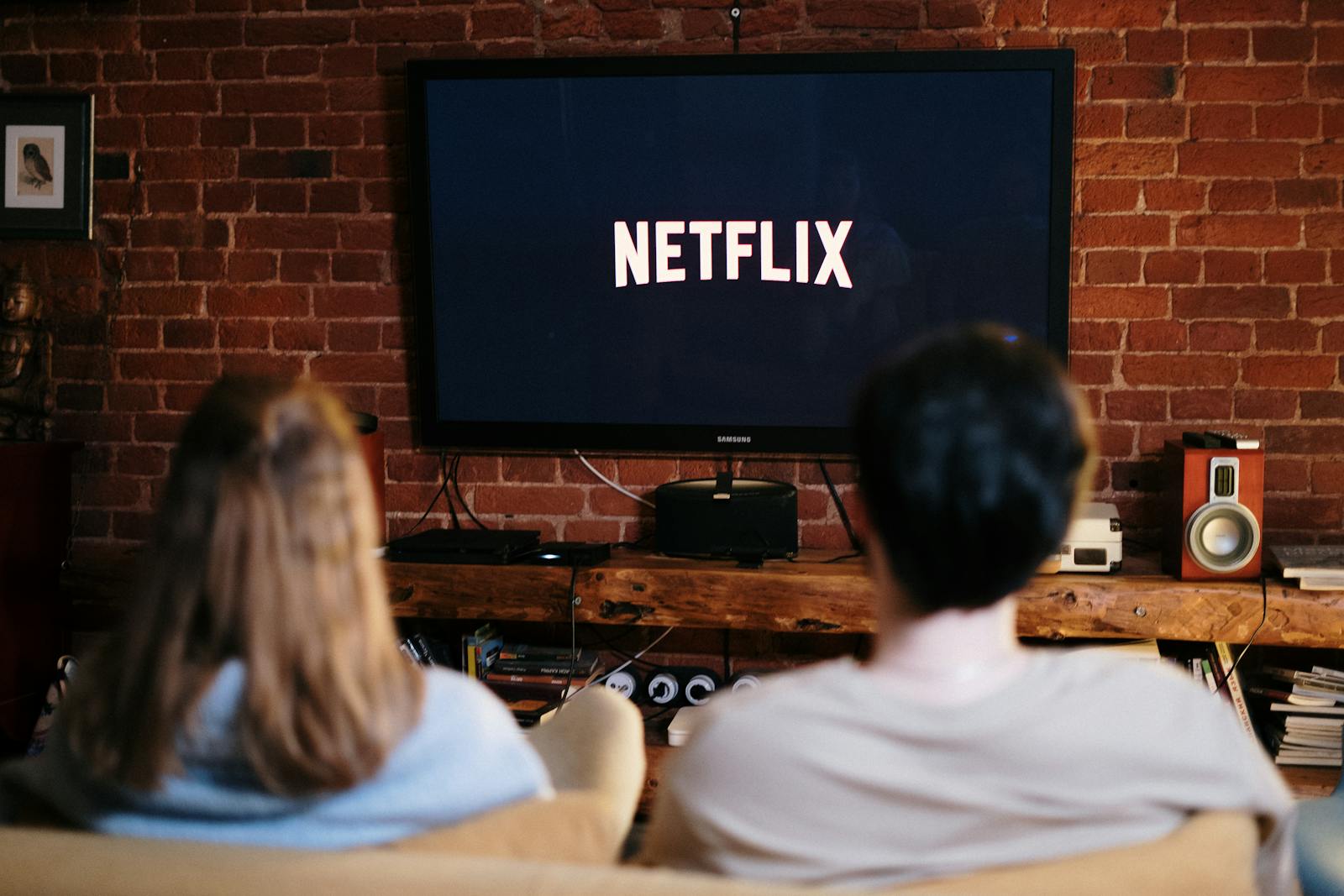
A small red light, on the front of a television, in the living room of a Brooklyn apartment, is on, on most nights, when the occupant goes to bed. The light cannot, in any obvious way, be turned off. The light is, by some estimates, costing the occupant between one and five dollars a year.
The television is in the living room, on a low credenza, against the wall opposite the couch. The credenza is dark wood. The wall is a color the previous tenant described, in the lease, as warm white. The television, when the television is on, fills the room with light. The television, when the television is off, has, on the television's front, the small red light.
The light is, by most accounts, the standby light. The light is, by most accounts, the indicator that the television is, in some sense, on. The light is, by most accounts, the indicator that the television is, in some small way, drawing power.
The light has been thought about, by the occupant, more than the occupant would, by the occupant's own description, like to admit.
The number
The television, when the television is in standby, draws, by some estimates, somewhere between half a watt and three watts. The television, when the television is in standby, is, by the same estimates, drawing this power twenty-four hours a day.
The math has been done, by the occupant. The math is not, by any scientific description, exact. The math is, however, sufficient to suggest that the standby light, over the course of a year, costs the occupant somewhere between one and five dollars. The math is, in other words, not, by any practical description, a problem.
The math has been thought about, by the occupant, in the years the occupant has lived in the apartment, more than the occupant would, by the occupant's own description, like to admit. The math has, in the same years, not, on most nights, been acted on. The light has, in the same years, on most nights, been left on.
What the light represents
The light represents, in the abstract, a small amount of power. The light represents, in the abstract, the fact that the television is, in some way, ready to be turned on. The light represents, in the abstract, the fact that the television is, in some small way, paying attention.
The light represents, also, in ways the occupant has only recently begun to articulate, the fact that the occupant is, in some way, paying attention. The light represents, in some way, the fact that the occupant is, in some way, attached to the television. The light represents, in some way, the fact that the occupant is, in some way, attached to the small number of things the television does.
The light has been thought about, in particular, in terms of the fact that the television is, in fact, almost never turned on. The light has been thought about, in particular, in terms of the fact that the light, which is almost always on, is, in some way, the only sign the television gives of itself.
What has been tried
A number of ways to turn the light off have been tried, in the years the occupant has lived in the apartment.
Unplugging the television has been tried. The television, when the television is unplugged, has, on most occasions, lost the television's clock. The television, when the television is unplugged, has, on most occasions, taken a long time to start up again. The unplugging has, in the months the unplugging has been done, been decided, on the whole, to be more trouble than the unplugging is worth.
A smart plug has been tried. The smart plug, when the smart plug was bought, was supposed to allow the occupant to cut the power to the television entirely. The smart plug, in practice, requires the occupant to use the occupant's phone. The smart plug, in practice, requires the occupant to remember, on most nights, to use the occupant's phone. The smart plug has, in the years the smart plug has been used, mostly not been remembered.
A power strip has been tried. The power strip, when the power strip was bought, was supposed to allow the occupant to cut the power to the television with the push of a button. The power strip, in practice, is behind the credenza. The power strip, in practice, is, on most nights, more trouble than the smart plug.
The light has, in the years the occupant has lived in the apartment, been decided, on most nights, to stay on.
What has been decided
The standby light is, in the occupant's own description, in some way, a small confession.
The standby light is, in particular, the small, mostly-invisible sign that the occupant is, in fact, attached to a piece of technology. The standby light is the small, mostly-invisible sign that the occupant is, in fact, attached to a small number of things — the television, the router, the speaker, the small number of devices in the apartment that draw, in some small way, on the power that comes into the apartment through the wires in the walls.
The standby light is, in particular, the small, mostly-invisible sign that the occupant is, in fact, attached to the kind of life that has these things in it. The standby light is, in particular, the small, mostly-invisible sign that the occupant is, in fact, the kind of person who, on most nights, goes to bed with the television in standby.
The deciding is, on the whole, enough.
A larger thought
The small, mostly-invisible signs people leave, in their homes, of the things they are attached to have been thought about, by the occupant, in the months the occupant has had the television.
The standby light has been thought about, in particular, as a metaphor. The standby light is, in this sense, the small red light on the front of the television. The standby light is, in this sense, the small sign that the television is, in some way, on.
The standby light has been thought about, in particular, in terms of the fact that the standby light is, in some way, also a small sign that the occupant is, in some way, on. The standby light is, in some way, the small sign that the occupant is, in some way, attached to the small number of things the occupant has, in the years the occupant has been alive, decided to attach to.
The standby light has been thought about, in particular, in terms of the fact that the standby light is, in the end, just a standby light. The standby light is, in the end, a small red indicator that the television is, in some sense, drawing power. The standby light is, in the end, a small red indicator that the occupant is, in some small sense, paying attention.
The small red light has been thought about, by the occupant, in the months the occupant has had the television, on most nights, when the occupant goes to bed.
What will happen
The television is going to be kept, by the occupant. The television is going to be kept, on most nights, in standby.
The small red light is going to be kept, on most nights, on, on the front of the television. The small red light is going to be kept, on most nights, visible, from the bedroom door, when the occupant goes to bed.
The small red light is going to be kept, on most nights, as a small, mostly-invisible sign that the occupant is, in some way, attached to the television.
The small red light is going to be kept, on most mornings, on, when the occupant gets up. The small red light is going to be kept, on most mornings, as the first thing the occupant sees, when the occupant walks into the living room.
The television is going to be kept, on most nights, not unplugged. The smart plug is going to be kept, on most nights, not used. The power strip is going to be kept, on most nights, not used.
The small red light is going to be kept, on most nights, on. The small red light is, on most nights, the small sign that the occupant is, in some small way, at home.