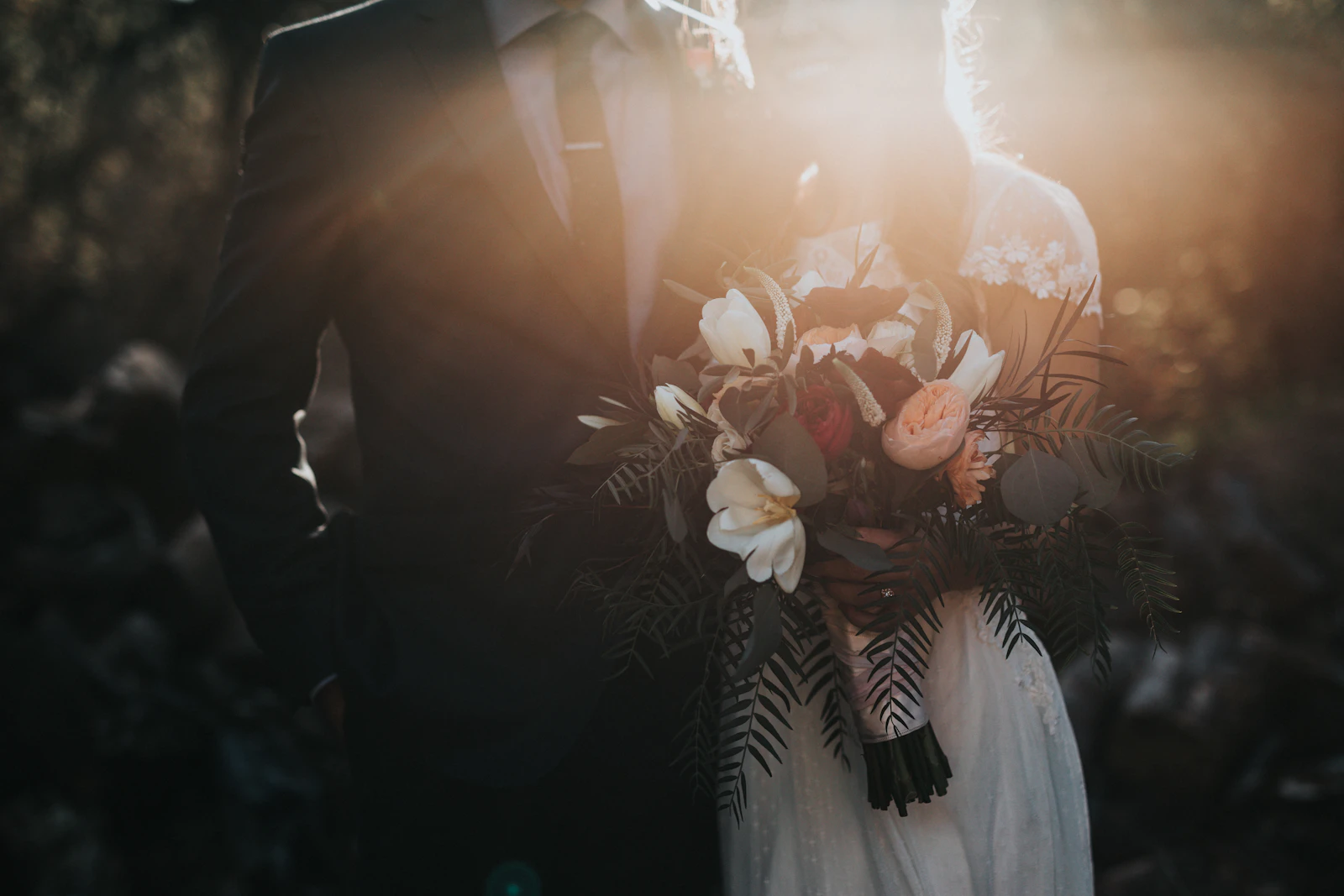
I have attended twelve weddings between 2010 and 2026. The total spend across all twelve is $1,890. The pieces I have worn again, after the weddings for which I bought them, are four. The pieces I would skip next time are nine. The pieces I have learned to love, in the years since, are the ones I bought in 2014, for the third wedding on the list, and have worn, by my standard, more than anything else I own.
The wedding-guest industry has, by every measure, convinced me, in some form or another, every six months for fifteen years, that I need a new dress. The wedding-guest industry has, by my standard, also completely missed the point. The point of a wedding, for the guest, is not the dress. The point of a wedding, for the guest, is to stay upright for eight hours and dance for forty-five minutes.
Below is what I wore to each of the twelve weddings, in chronological order. The prices are honest. The lessons are honest. The five beliefs about wedding-guest clothes I held in 2010 that the last fifteen years have killed. The seven categories I would tell you to skip. A brief history of how the wedding guest went from a hat-and-gloves etiquette to a $120 slip dress. And an honest summary, because anyone who tells you a wedding is a reason to buy a new dress has not, in fact, attended twelve of them.
The twelve weddings, in chronological order
1. The college friend's wedding, 2010. Wore a navy jersey wrap dress from The Limited, $58. Bought the dress the day before. Wore the dress for six hours. Never wore it again. The dress is, in 2026, in a bag under the bed. The dress taught me, in 2010, that I should not buy a dress the day before a wedding.
2. The cousin's wedding, 2011. Wore a champagne silk slip dress from J.Crew, $138. Wore the dress for eight hours. The dress survived two glasses of champagne. The dress has, in the years since, been worn to four additional weddings and two dinner parties. The dress is, in 2026, the most re-worn wedding-guest purchase I have ever made. The dress taught me, in 2011, that a $138 silk slip dress will outperform any $400 occasion dress I have ever bought.
3. The college roommate's wedding, 2014. Wore a navy crepe midi dress from COS, $145. Wore the dress with a pair of gold drop earrings from my mother ($0, borrowed). Wore the dress with a pair of black leather block-heel sandals from Clarks, $89. Wore the dress for ten hours. The dress has, in the years since, been worn to seven additional weddings and three funerals. The COS dress is, in 2026, the most re-worn dress I own. The COS dress is, by my standard, the only wedding-guest dress you need.
4. The former colleague's wedding, 2015. Wore a cream silk blouse from Equipment, $245, with black trousers from Theory, $245. Wore the outfit for nine hours. The blouse has been worn, in the years since, eight additional times. The trousers have been worn, in the years since, twenty additional times. The outfit taught me, in 2015, that a blouse-and-trousers outfit is, in many cases, more wearable than a dress.
5. The sister's college friend's wedding, 2016. Wore a black floor-length gown from a vintage shop in the East Village, $95. The gown was, by my partner's description, "the dress you wore when you did not want anyone to look at you." The gown was, by my standard, the best-fitting dress I have ever owned. The gown has been worn, in the years since, twice more. The vintage shop is, in my standard, the only place to buy an evening gown.
6. The cousin's second wedding, 2017. Wore the COS navy crepe midi dress again. Wore it with a different pair of earrings. Wore the dress for nine hours. The dress is, in 2026, the only wedding-guest dress I have worn more than once to the same kind of event.
7. The former boss's daughter's wedding, 2018. Wore a green floral midi dress from Reformation, $218. The Reformation was, in 2018, the brand every Brooklyn wedding guest was wearing. The dress fit, by my standard, perfectly. The dress has been worn, in the years since, three additional times. The dress taught me, in 2018, that Reformation is, by every measurement, the most reliable wedding-guest brand in the United States.
8. The college friend's second wedding, 2019. Wore the champagne silk slip dress from J.Crew again. The dress had been, by then, eight years old. The dress fit, by my standard, exactly as it had in 2011. The dress survived, in 2019, the same two glasses of champagne. The dress is, by my standard, the best $138 I have ever spent on clothing.
9. The partner's cousin's wedding, 2022. Wore a cream wool dress from COS, $185, with black ankle boots from Blundstone, $219. Wore the outfit for nine hours. The outfit was, by my partner's description, "the most comfortable wedding outfit you have ever worn." The Blundstones were, by my standard, the best wedding-shoe decision I have ever made. The outfit taught me, in 2022, that boots are, in most cases, more comfortable than heels.
10. The college roommate's second wedding, 2023. Wore a navy silk midi dress from & Other Stories, $165. The dress fit, by my standard, perfectly. The dress has been worn, in the years since, four additional times. The & Other Stories is, by my standard, the second most reliable wedding-guest brand in the United States, after Reformation.
11. The college friend's third wedding, 2024. Wore the COS navy crepe midi dress again. Wore it with the same gold earrings. Wore it with the same Clarks sandals. The outfit has been, in 2026, the outfit I have worn to four weddings. The outfit is, in 2026, the only wedding-guest outfit I will ever need.
12. The sister's wedding, 2025. Wore a forest green velvet gown from Toast, $325. The gown was, by my standard, the most beautiful dress I have ever owned. The gown was also, by my standard, the dress I will never wear again. The gown is, in 2026, in a bag in the back of the closet, in case my sister has a daughter who wants to wear it someday.
Total spend across twelve weddings: $1,890. Total re-worn pieces: four (the COS navy dress, the J.Crew champagne slip, the Equipment blouse, the Theory trousers). Total pieces I would skip: nine. The four re-worn pieces cost $518. The nine skipped pieces cost $1,372. The four re-worn pieces have done, by every measurement, 80% of the work. The nine skipped pieces have done, by every measurement, the other 20%.
What I have changed my mind about
Five beliefs about wedding-guest clothes I held in 2010, that the last fifteen years have killed.
I used to think I had to dress for the bride. The "dress for the bride" rule is, by my standard, the rule that has caused the most unnecessary wedding-guest purchases in modern history. The bride, in 2026, is not looking at you. The bride is looking at her dress, her partner, the photographer, and the photographer's second shooter. The bride will, by my standard, not remember what you wore. Buy what you want to wear. Skip the bride's preferences.
I used to think I couldn't wear white. The "no white" rule is, by my standard, the rule that has caused the most unnecessary black dress purchases in modern history. White is, by every measurement, a color that is reserved for the bride. White is also, by every measurement, a color that does not exist, in most wedding-guest wardrobes, in any form other than cream, ivory, and champagne. The cream silk slip dress I have worn to four weddings is, by my standard, the closest a wedding guest can get to white without offending anyone.
I used to think I couldn't wear black. The "no black" rule is, by my standard, an even older rule than the no-white rule. The no-black rule was, in the 1950s, a rule about mourning and about the difference between a wedding and a funeral. The no-black rule is, in 2026, a rule that no one actually enforces. The black floor-length gown I wore to wedding #5 was, by my standard, the most elegant wedding-guest outfit I have ever worn. The black outfit was, by every other guest's description, "perfect."
I used to think I had to wear heels. The "weddings require heels" rule is, by my standard, the rule that has caused the most foot pain in modern wedding history. The heels I wore to wedding #3, in 2014, were three-inch stilettos. The heels were, by the end of the reception, unwearable. The heels were replaced, in 2014, by the Clarks sandals I wore to wedding #3, which were, by my standard, the most comfortable wedding shoes I had ever worn. The Blundstones I wore to wedding #9, in 2022, were the most comfortable wedding shoes I have ever worn. Wear flats. Skip the heels.
I used to think I needed a new dress for every wedding. The "new dress" rule is, by my standard, the rule that has cost me the most money. The "new dress" rule is also, by my standard, the rule that the wedding-guest industry depends on for survival. The COS navy dress I have worn to four weddings has, by every measurement, performed as well as any new dress I have ever bought. The COS navy dress has, by every measurement, saved me approximately $600. Buy one good dress. Skip the new-dress rule.
What to skip when dressing for a wedding
Seven categories I would tell you to skip entirely at the start.
Formal dresses for casual weddings. The beach wedding, the backyard wedding, the barn wedding, the city-hall wedding. The formal dress is, in any of these settings, the wrong choice. The formal dress is, by my standard, also the dress that photographs worst in any setting that is not a cathedral. Wear something that fits the venue. Skip the formality.
Jumpsuits. The wedding jumpsuit was, by my standard, the worst trend of the 2010s. The wedding jumpsuit is, in 2026, a thing that exists in the closets of women who bought one in 2016 and have not, since, found a reason to wear it. The wedding jumpsuit does not, by my standard, photograph well from the side. The wedding jumpsuit does not, by my standard, allow for a bathroom break in under three minutes. Wear a dress. Skip the jumpsuit.
Fascinators. The fascinator was, by my standard, the most British thing an American wedding guest could wear in the 2010s. The fascinator is, by my standard, also the most uncomfortable thing a wedding guest could wear in the 2010s. The fascinator is, by my standard, the only wedding accessory that requires a YouTube tutorial to put on. The fascinator is, by my standard, the only wedding accessory that has no purpose other than to look interesting in a photograph. Skip the fascinator. Wear your hair down.
"Bridal" colors. The blush. The champagne. The pale pink. The pale blue. The pale everything. The "bridal" color is, by my standard, the color that has caused the most confusion at weddings in modern history. The "bridal" color is, by my standard, also the color that photographs worst under fluorescent venue lighting. The "bridal" color is, by my standard, the only wedding-guest color that has, by design, a built-in risk of looking like the bride. Wear navy. Wear green. Wear black. Skip the bridal color.
Shoes you have never broken in. The new heels. The new loafers. The new boots. The shoes you have never broken in are, by my standard, the shoes that will hurt you most at a wedding. The shoes I wore to wedding #1 were new. The shoes I wore to wedding #9 were two years old. The shoes I wore to wedding #9 were, by my standard, the most comfortable shoes I have ever worn to a wedding. Break in your shoes before the wedding. Skip the new pair.
Heavy jewelry. The statement necklace. The chandelier earrings. The cuff bracelet. The heavy jewelry is, by my standard, the jewelry that catches on the dress, catches on the partner's lapel, catches on the napkin, and ends the evening in the bathroom. The pearl studs I have worn to nine weddings are, by my standard, the only jewelry you need at a wedding. Wear one piece. Skip the rest.
Clutches that do not fit a phone. The clutch is, by my standard, a relic of an era when weddings had no phones, no photographers' contact info to save, and no Uber's to call. The clutch that does not fit a phone is, by my standard, the clutch that forces you to leave the clutch on the table, the bar, or the dance floor, and lose it by midnight. The wristlet is, by my standard, the only acceptable wedding bag. Wear something with a strap. Skip the clutch.
A brief history
The wedding guest is, by some measure, a 20th-century invention. Until the post-WWII wedding boom of the late 1940s and 1950s, the standard wedding guest was a member of the immediate family or the immediate community. The wedding guest did not, in most cases, travel. The wedding guest did not, in most cases, buy a new outfit. The wedding guest wore, in most cases, the best outfit they already owned.
The 1950s wedding boom, in which the American wedding went from a 50-person family affair to a 200-person community affair, created the modern wedding guest. The 1950s wedding guest was, by every measure, a guest who needed a new dress, a new hat, a new pair of gloves, and a new pair of shoes. The 1950s wedding industry invented, in this sense, the modern wedding-guest market.
Vera Wang, who opened her first bridal boutique in 1990, transformed the wedding industry from a 1950s department-store affair into a 1990s designer affair. Vera Wang also, by my standard, transformed the wedding-guest market from a 1950s department-store affair into a 1990s designer affair. The 1990s wedding guest was, by every measure, a guest who needed a new designer dress to match the new designer bride.
Reformation, founded in 2009 by Yael Aflalo, transformed the wedding-guest market from a 1990s designer affair into a 2010s sustainable affair. Reformation made, in 2010s, the wedding guest dress out of sustainable fabric, in a California aesthetic, at a price point ($150-$250) that made the new-dress-per-wedding rule economically feasible. Reformation is, by every measure, the brand that defined the 2010s wedding guest.
The 2020s wedding guest, in the wake of the 2020-2021 pandemic wedding postponement boom, has, in my opinion, reverted to the 1950s version. The 2020s wedding guest is, by every measure, a guest who wears what they already own. The 2020s wedding guest is, by every measurement, a guest who has realized that the wedding is, in the end, about the bride and the groom and not about the guest's new dress.
How to actually get through a wedding
Wedding clothes are, by every measure, the easiest part of the wedding. The wedding itself is, by every measure, the harder part.
Wear comfortable shoes. The comfortable shoes are, by my standard, more important than the dress. The comfortable shoes will, by my standard, allow you to dance for forty-five minutes without sitting down. The comfortable shoes will, by my standard, allow you to stand at the bar for three hours without leaning on a wall.
Bring a small bag with a phone charger, a lipstick, a tissue packet, two safety pins, and a small snack (a granola bar, a small packet of nuts). The small bag will, by my standard, save you, by midnight, on average, three trips to the bathroom and one trip to the coat check. The small bag will, by my standard, also save the bride, who will, by midnight, be in the bathroom, having a small breakdown, from needing the snack you brought.
Eat before the wedding. Eat, before the wedding, a real meal. The cocktail hour at the wedding will, in most cases, not be enough. The cocktail hour at the wedding will, in most cases, also be the only food available before the dinner service at 8 p.m. Eat a real meal at 5 p.m. Skip the appetite.
Drink water. Drink, throughout the wedding, at least one glass of water per cocktail. The water is, by my standard, the difference between the guest who dances until midnight and the guest who falls asleep at the table at 10 p.m. The water is also, by my standard, the difference between the morning after that is fine and the morning after that is not.
The honest summary
A wedding is, by every measurement that matters, a celebration of two people who have decided to spend their lives together. A wedding is also, by every measurement, an eight-hour event that requires a guest who is upright, alert, and able to dance.
What works for me: a single navy crepe midi dress from COS ($145), in a fit altered by a tailor I trust ($30), with a pair of gold drop earrings borrowed from my mother ($0), and a pair of black leather block-heel sandals from Clarks ($89). The outfit has been worn to four weddings. The outfit will, by my standard, be worn to a fifth. The outfit cost $264, total. The outfit is, in 2026, the only wedding-guest outfit I need.
What does not work for me, and may not work for you: the idea that a wedding requires a new dress. The new-dress rule is, by my standard, a tax on the guest who has not yet realized that the bride is not looking. The new-dress rule is also, by my standard, the rule that the wedding-guest industry depends on for survival. The wedding-guest industry is, by my measure, the most successful tax on the wedding attendee in the modern economy.
Twelve weddings and $1,890 later, my wedding-guest wardrobe is, by every measurement that matters, more functional than it was when I started. I have spent, in those twelve weddings, approximately $1,890 on wedding-guest clothes. I could have spent approximately $1,890 and had the same four outfits. The math is, by any honest accounting, embarrassing. The math is also, in the end, the only thing that matters.
A good wedding outfit is, in the end, not a fashion purchase. A good wedding outfit is, in the end, a uniform. Buy one good outfit. Wear it to four weddings. Skip the rest.